HUASHENG PRECISION · CUSTOM MANUFACTURING / Updated September 6, 2026
6061 Aluminum CNC Machining Services
Custom 6061 aluminum parts from your drawings: CNC milling and turning for prototypes and small-batch production. Send your material temper, quantity, critical dimensions and finish requirements for a manufacturing review and quotation.
Start with the part you need to make
Huasheng Precision manufactures custom metal and engineering-plastic parts in Dongguan, China. For a 6061 aluminum enquiry, we review the drawing and required material condition before confirming stock, tooling, inspection and delivery. Brackets, housings, mounting plates and machined fixtures are examples of part types you can submit for review.
Swipe horizontally to read the full table.
| Your drawing requirement | What to include |
|---|---|
| Material | 6061 alloy, required temper and the applicable product specification; state whether substitutions may be proposed |
| Geometry | STEP or IGES model and a dimensioned PDF with revision, datums and critical features |
| Quantity | Prototype quantity and any separate repeat-production quantity |
| Finish and inspection | Anodizing or other finish, cosmetic surfaces, roughness, masking and inspection documentation |
| Delivery | Requested date and destination; freight, duties and taxes are confirmed separately by email |
6061-T6 and T651: specify the material condition
6061 is a heat-treatable aluminum alloy used for machined parts where a balance of strength, corrosion resistance and fabrication options is needed. T6 and T651 identify material conditions; T651 includes stress relief by stretching. A temper designation alone does not define every property for every thickness or product form.
State the stock form and product specification on the drawing. For a thin-walled housing or a heavily pocketed plate, discuss dimensional stability, stock removal and clamping with the supplier. Stress-relieved material does not eliminate the need to plan the machining sequence.
If you are comparing 6061 with 7075, compare the required strength, environment, finish and approved specification first. Request alternatives against the same drawing rather than assuming one alloy is the default for a fixed percentage of parts.
Milling, turning and threaded features
- For pockets and internal corners, show the required depth and corner radius. Tool access affects the machining route.
- For mating holes and datums, identify the relationship that matters to assembly. Avoid assigning the tightest tolerance to every feature by default.
- For threads, specify the standard, pitch, tolerance class and usable depth. Distinguish blind-hole depth from full thread depth.
- For thin walls and broad flat surfaces, specify the inspection condition and whether the part is measured free or restrained.
Anodizing and other finishing requirements
Include the required finish when requesting the machining quote. For anodizing, specify type, thickness, color and appearance requirements, plus surfaces that must be masked or remain electrically conductive. Confirm whether critical dimensions and roughness apply before or after finishing.
Finish arrangements, including any partner processing, are confirmed for the order. Appearance should be agreed using the specified acceptance criteria or a reference sample where needed; a photograph alone is not a controlled color standard.
How to compare machining quotations
Separate material, machining, setup, finish, inspection and delivery requirements when comparing offers. A quoted unit price for a different part or batch size is not a reliable estimate for your design.
Swipe horizontally to read the full table.
| Potential cost driver | Useful question for the RFQ |
|---|---|
| Multiple setups | Which faces and datum relationships are functionally important? |
| Small internal corners or deep features | Can geometry change while preserving the required function? |
| Tight tolerances and surface finish | Which features need the tighter requirement, and how will they be inspected? |
| Prototype versus repeat order | Can the same drawing be quoted at two specified quantities? |
| Material and finishing | Are both offers based on the same temper, product form and finish specification? |
Workshop and inspection equipment
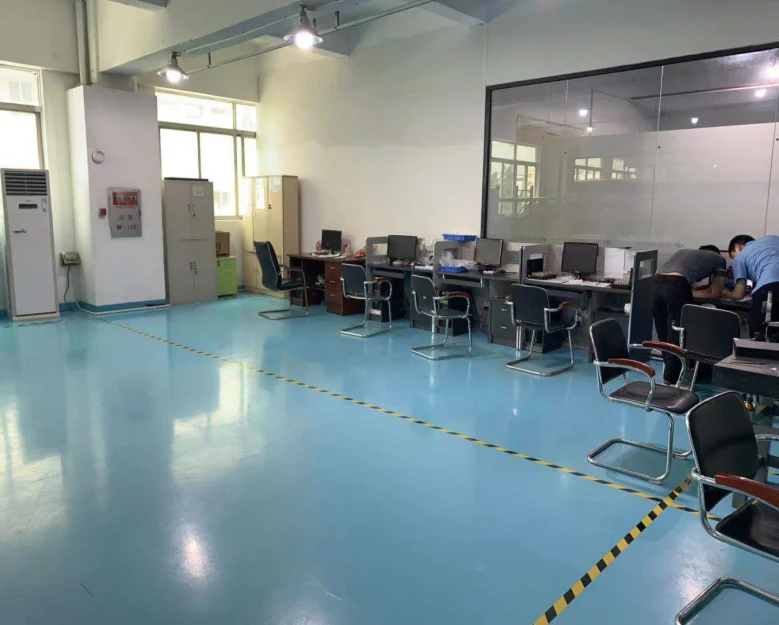
The following photographs are from our company presentation. The presentation records a 7,000 m² facility, 35 CNC machines and 170 employees. Equipment includes CNC machining and Keyence / Mitutoyo inspection systems; the measurement plan is agreed against the drawing requirements.

FAQ
Do you quote both 6061-T6 and 6061-T651 parts?
Send the specified temper, stock form and drawing. We review material availability and the machining route before confirming the quotation. Do not substitute a temper or product specification without design approval.
What tolerance can you hold on my 6061 part?
Tolerance is reviewed by feature, size, geometry and inspection method. Mark critical dimensions and datums on the drawing. A single tolerance value does not describe every milled surface, turned diameter or thin wall.
Can I request anodizing with the machining quote?
Yes. Include the finish specification, thickness, color, cosmetic surfaces and masking requirements. The quotation will identify the finishing arrangement and any partner processing needed for the order.
What determines the price and lead time?
Material availability, stock size, machining setups, geometry, quantity, finishing and inspection affect the quote. Send the requested delivery date and destination; the confirmed schedule and shipping terms are provided by email.
Can you machine threads in 6061 aluminum?
Include the thread standard, size, pitch, class and usable depth, plus any coating or insert requirement. We review tool access and the inspection requirement against the drawing.
Material reference
Reference properties describe the stated material condition and product form, not an unconditional machining guarantee for your part.
Shipping method, freight charges, duties, taxes and customs arrangements are confirmed by email for each order, based on the delivery destination and order details.