HUASHENG PRECISION · Updated September 11, 2026
Automotive Prototype and Small-Batch Part Enquiries
Send drawings for machined or sheet-metal development parts, brackets, fixtures and housings. Huasheng Precision reviews the manufacturing and inspection scope against your project requirements.
Comparison and drawing review
Swipe horizontally to read the full table.
| Requirement | What to specify or discuss |
|---|---|
| Fit-check parts | Identify interfaces, datums, mating components and the revision being evaluated. |
| Sheet-metal brackets or housings | Include material grade, thickness, bend geometry, joining and the final surface condition. |
| Machined fixtures or mounts | Specify loads where relevant to the design, critical dimensions, threads and inspection references. |
| Repeat batches | Separate the first sample quantity from later quantities, and identify approval gates before repeat production. |
Make the purpose of the prototype clear
Tell us whether a part will be used for assembly checks, development testing or another defined purpose. List requirements that must match the intended production part and where alternatives can be proposed. Design changes remain subject to your approval.
Provide the complete assembly context
For a bracket or enclosure, include the interfaces that matter after joining and finishing. Share the applicable drawings and specify which document controls if the model and drawing differ. For multi-part work, use a bill of materials with revisions and quantities.
Confirm the required quality deliverables
List inspection reports, material documents, traceability and customer-specific submissions in the RFQ. These deliverables are reviewed and agreed for the order. Our published equipment information is not a statement of automotive customer approval or a substitute for a required certification.
Compare schedule and scope before ordering
Specify the requested dispatch date and destination. Material sourcing, manufacture, finishing and inspection must be included in the schedule. Freight, duties and taxes are confirmed by email; a sample quotation does not commit a later production program.
Workshop information
Our company presentation records a 7,000 m² facility in Dongguan, 35 CNC machines and 170 employees. Manufacturing, inspection and any required partner processing are reviewed against the drawing and order requirements.
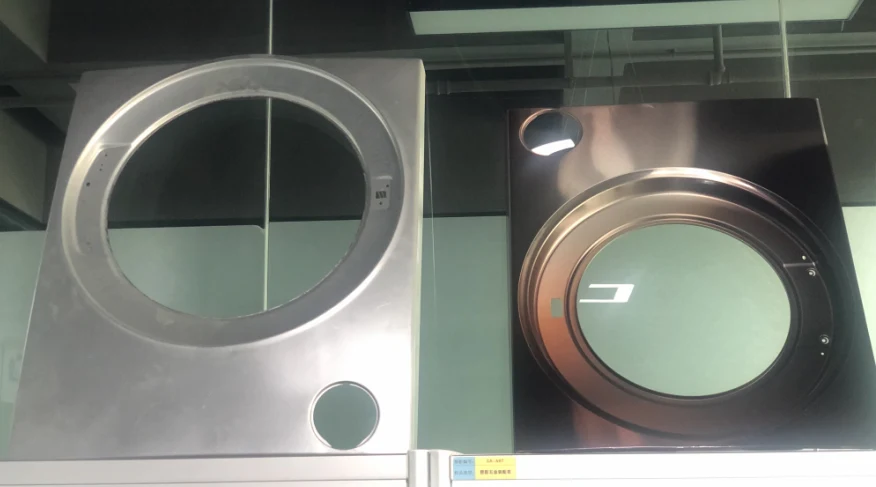
If a certification or specific document is required, identify its scope before quotation.
Company and equipment informationShipping method, freight, duties, taxes and customs arrangements are confirmed by email for each order, based on the destination and order details.